
How to Calibrate Heat Flux Density: The Root of All Controversies
Two labs test the same material yet report conflicting results, each unable to convince the other. Such disputes are common in thermal protection testing. The root cause rarely lies with the material or equipment; it almost always stems from a fundamental but overlooked step: Was the heat flux measured accurately?
1. Introduction: Accurately measure the heat flux magnitude
Two labs test the same material yet report conflicting results, each unable to convince the other. Such disputes are common in thermal protection testing. The root cause rarely lies with the material or equipment; it almost always stems from a fundamental but overlooked step: Was the heat flux measured accurately?
② Common Sense: Accurately measure the magnitude of the heat flux first.
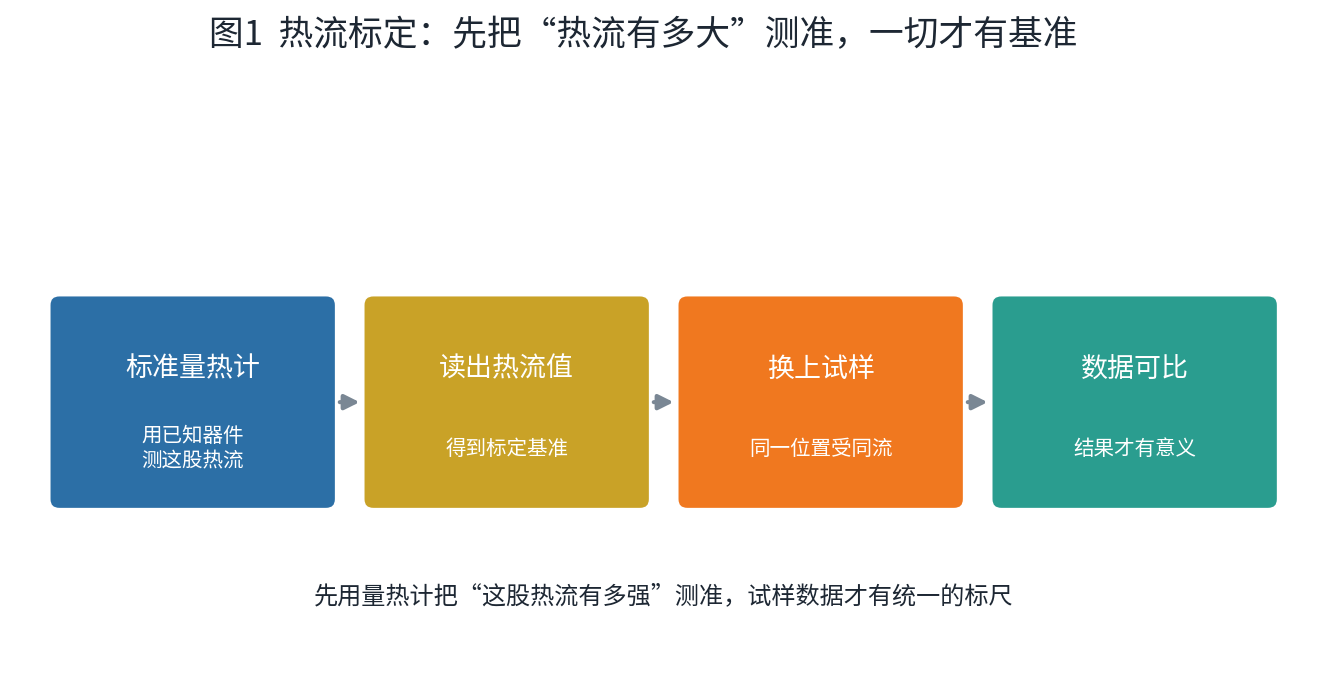
Figure 1 Heat Flux Calibration: Accurately measure "how much heat flux" to establish a reliable baseline.
The calibration approach is straightforward: first, use a known device such as a standard calorimeter to measure the exact heat flux and establish a reference; then, place the test specimen in the same position under the same heat flux for evaluation. Only by accurately measuring the heat flux first can we ensure a consistent benchmark for assessing the specimen's performance.
③ Why Calibration Is a "Source of Controversy"
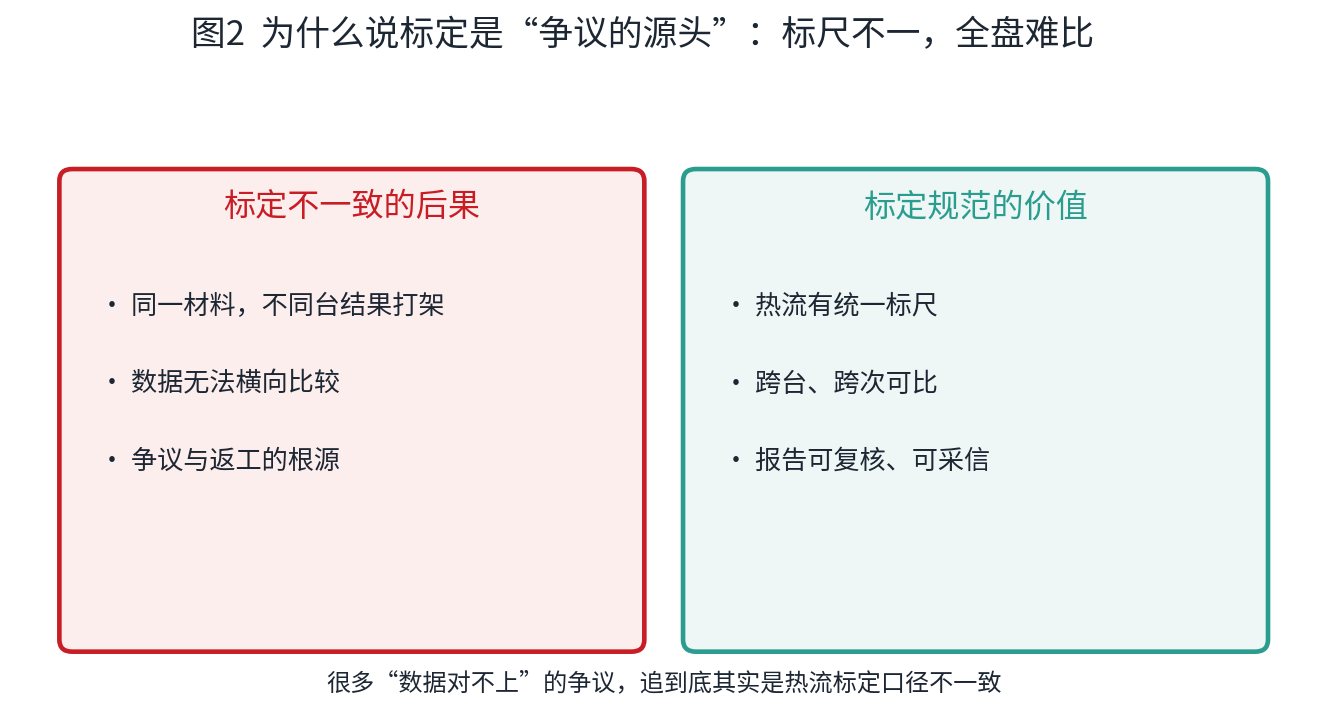
Figure 2: Why Calibration Is the "Source of Contention": Inconsistent Standards, Impossible to Compare
Inconsistent calibration standards cause the same material to yield conflicting results across different test stands—or even within repeated tests on the same stand. This prevents cross-comparison of data, becoming a primary source of disputes and rework. Conversely, unified calibration specifications provide a common reference for heat flux, enabling comparisons across stands and test runs. This ensures reports are verifiable and reliable. Ultimately, most "data mismatch" disputes stem from inconsistent calibration standards.
4. Challenge: Calibration itself is inherently uncertain.
The calorimeter type, installation location, and response characteristics, along with minor environmental changes, all affect calibration results. Heat flux is spatially non-uniform, so the choice of measurement point matters significantly. Accurately measuring "how much heat flux there is" and clearly defining its uncertainty requires long-term expertise.
5. Tianyi's Perspective: Calibration as the Foundation of Trustworthiness
At Tianyi Extreme Environment Laboratory, we treat heat flux calibration as the foundation of data credibility, not an optional preliminary step. We enforce controlled calibration methods, standardized apertures, and transparent uncertainty reporting so that data from different batches and operating conditions are truly comparable. If the foundation is unstable, even the most impressive conclusions cannot be trusted.
⑥ Further Reading · Test Consultation
In-site Extensions:
Three Heating Tests: What Each Can and Cannot Measure
Three often-overlooked pitfalls in test data
What Does CNAS Accreditation Mean: The Source of a Report's Credibility
Consultation Test
Wondering if your test data is comparable across devices? Contact Tianyi Extreme Environment Laboratory to discuss calibration methods.