
Oxy-fuel Ablation, Quartz Lamp Irradiation, and Laser Heating: What Each Can and Cannot Measure

To conduct ground-based thermal testing on materials, multiple methods are available. Oxygen-acetylene flames, quartz lamp arrays, and lasers are three common approaches. While they all appear to "heat the material," they excel at measuring different physical parameters—using the wrong method can render your test results meaningless.
1. Introduction: Leverage Each Other's Strengths
To conduct ground-based thermal testing on materials, multiple methods are available. Oxygen-acetylene flames, quartz lamp arrays, and lasers are three common approaches. While they all appear to "heat the material," they excel at measuring different physical parameters—using the wrong method can render your test results meaningless.
2. Common Sense: Three Methods, Each with Its Strengths
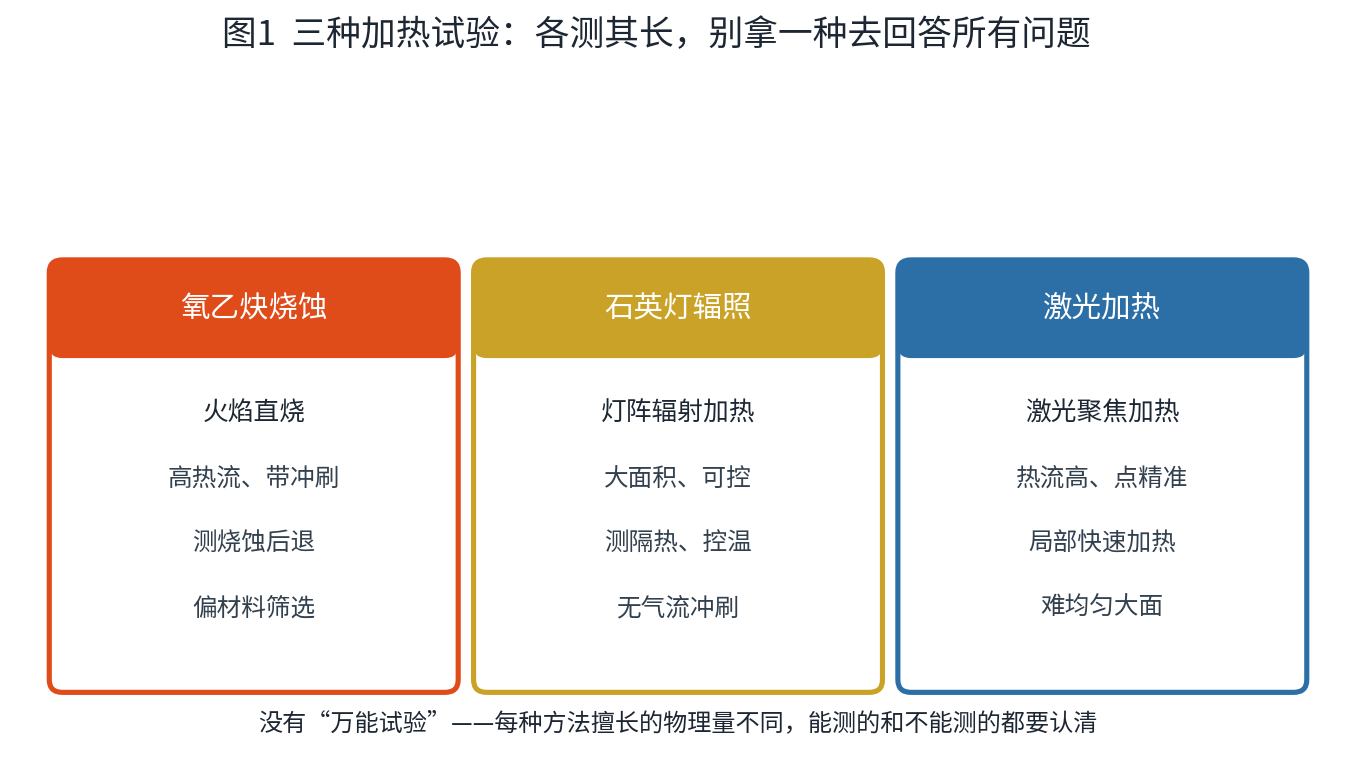
Figure 1: Three heating tests—each measures what it's designed for. Don't use one to answer all questions.
Oxy-fuel direct flame testing offers high heat flux and surface scouring, making it ideal for measuring material ablation recession and screening candidates. Quartz lamp irradiation uses an array of lamps to provide large-area, well-controlled heating; it excels in thermal insulation and temperature regulation tests but lacks gas flow scouring. Laser heating delivers high heat flux with pinpoint accuracy, suited for rapid localized heating. No single test method is universal—each targets specific physical parameters. Clearly define what each method can and cannot measure.
3. Capability Match: Align the method's strengths with your assessment goals.
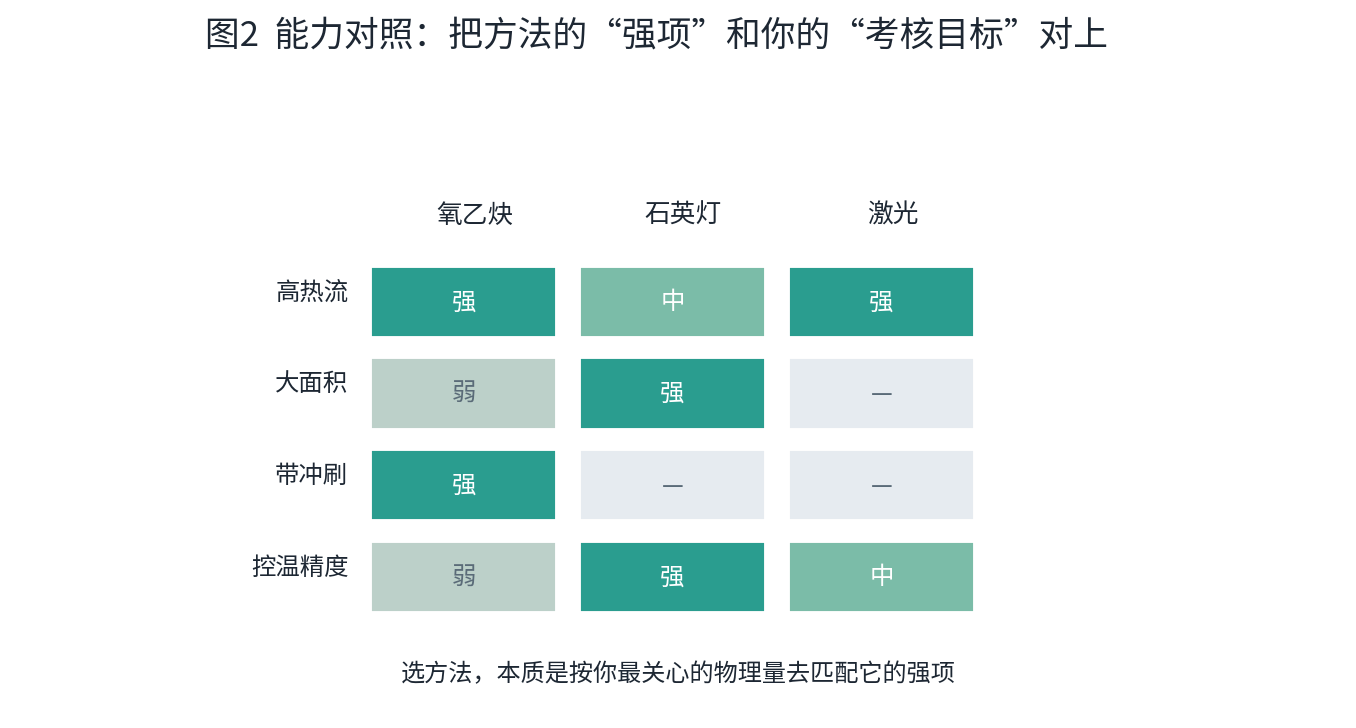
Figure 2 Capability Alignment: Match the method's "strengths" with your "evaluation goals".
Selecting a method means aligning your key physical metric with the method's strengths: use oxy-acetylene for erosion and scouring, quartz lamps for large-area thermal insulation and temperature control, and lasers for localized high heat flux testing. Match the strength to the objective to ensure meaningful testing.
Challenge 4: Don't let "convenience" dictate the approach.
A common real-world pitfall is using the most convenient equipment for all assessments and treating the results as universally applicable. If the method's physical mechanism doesn't align with actual operating conditions—for example, evaluating scour resistance using non-scouring irradiation—no matter how impressive the data looks, it can be misleading. Choosing the right method matters more than making the test look good.
⑤ Tianyi's Perspective: First, ask "Which assessment method should I use?"
At Tianyi Extreme Environment Laboratory, when assessing a requirement, we first determine the appropriate testing method before discussing parameters. We treat oxy-acetylene, radiation, laser, and arc wind tunnel tests as specialized tools—each with distinct strengths—and select or combine them based on operational conditions rather than relying on a single approach to answer all questions. Choosing the right method ensures data worthy of trust.
⑥ Further Reading · Test Consultation
In-site Extensions:
Full Map of Ground Test System: How Materials Are "Tested"
Arc Jet Facility: Simulating Atmospheric Re-entry on Earth
How to Calibrate Heat Flux Density: The Root of All Controversies
Consultation Test
Not sure which heating method fits your test requirements? Contact Tianyi Extreme Environment Lab today.