
Test articles are not full-scale parts: scale effects and similarity criteria
A small test sample passing a lab evaluation doesn't guarantee the full-scale part will perform well. The answer is often: not necessarily. Scaling conclusions from small samples to real components involves a critical hurdle often underestimated—the size effect.
1. Introduction: Scaling Up Doesn't Always Yield the Same Results
A small test sample passing a lab evaluation doesn't guarantee the full-scale part will perform well. The answer is often: not necessarily. Scaling conclusions from small samples to real components involves a critical hurdle often underestimated—the size effect.
② Common Sense: What looks the same when zoomed in may not actually be identical.
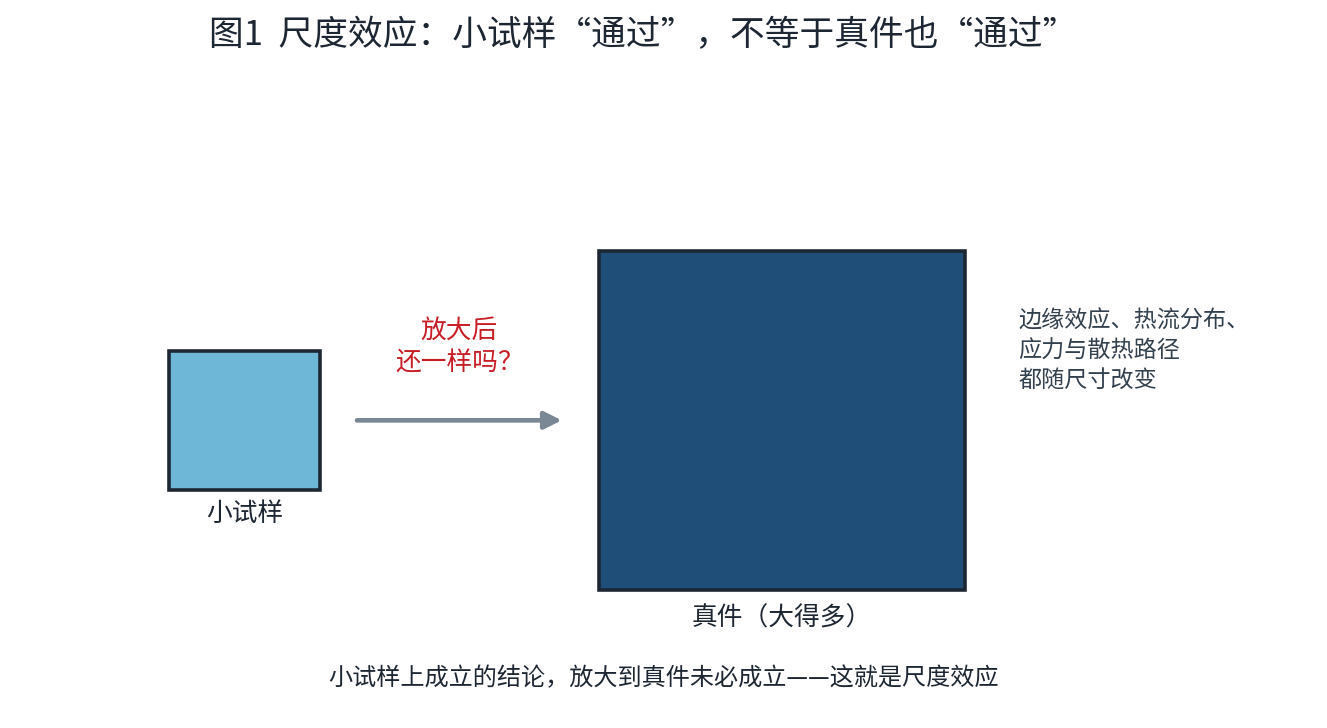
Figure 1 Size Effect: A small specimen passing does not guarantee the full-scale part will pass.
Material behavior changes with scale. Edge effects, heat flow distribution, internal stresses, and cooling paths differ between small samples and full-size parts. Conclusions valid for small samples may not hold when scaled up—that's the size effect. Ignoring it risks mistaking "sample passed" for "part safe."
3. Similarity Criteria: Legitimately Scaling Small Tests to Represent Full-Scale Parts
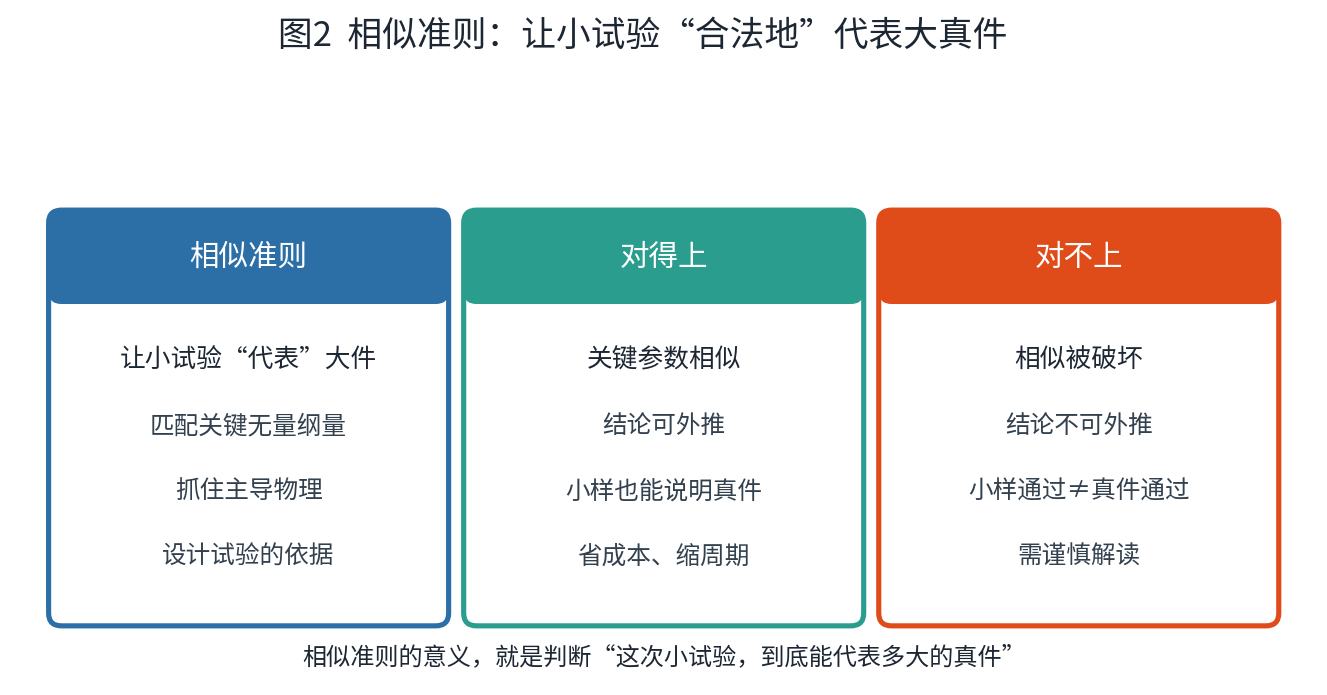
Figure 2 Similarity Criteria: Enabling Small-Scale Tests to Legitimately Represent Full-Scale Components
In engineering, this problem is solved using similarity criteria: by matching key dimensionless parameters to capture dominant physical mechanisms, small-scale tests can "represent" full-scale components. When key parameters are similar, findings from small samples can be extrapolated, reducing costs and shortening timelines. However, if similarity is compromised, extrapolation is invalid—a passing small-sample test does not guarantee the full component will pass, requiring careful interpretation.
Challenge: Which similarities must be preserved and which can be relaxed
Real-world operating conditions involve numerous physical quantities that cannot all be scaled simultaneously. Determining which similarities must be strictly maintained and which can be relaxed depends on identifying the dominant mechanisms. An incorrect assessment leads to distorted test designs. This requires deep physical insight, not just formula application.
5. Tianyi's Perspective: Understand the Significance of This Experiment
At Tianyi Extreme Environment Laboratory, we clearly define the scope of real-world components that each small-scale test represents. We explicitly state the similarity criteria and applicability boundaries, rather than vaguely using small-sample results to endorse full-scale parts. Acknowledging these extrapolation limits demonstrates both professionalism and integrity.
⑥ Further Reading · Test Consultation
In-site Extensions:
Full Map of Ground Test System: How Materials Are "Tested"
Three often-overlooked pitfalls in test data
How to Calibrate Heat Flux Density: The Root of All Controversies
Consultation Test
Concerned about whether small-sample conclusions apply to full-scale products? Contact Tianyi Extreme Environment Laboratory for evaluation.