
Three often-overlooked pitfalls in test data
The same test data can yield entirely different conclusions depending on who analyzes it. Data doesn't lie, but interpretation does. In thermal protection testing, three often-overlooked pitfalls can lead even the most accurate data to erroneous conclusions.
1. Introduction: Mean, Condition, Extrapolation
The same test data can yield entirely different conclusions depending on who analyzes it. Data doesn't lie, but interpretation does. In thermal protection testing, three often-overlooked pitfalls can lead even the most accurate data to erroneous conclusions.
② Common Sense: Mean, Condition, Extrapolation
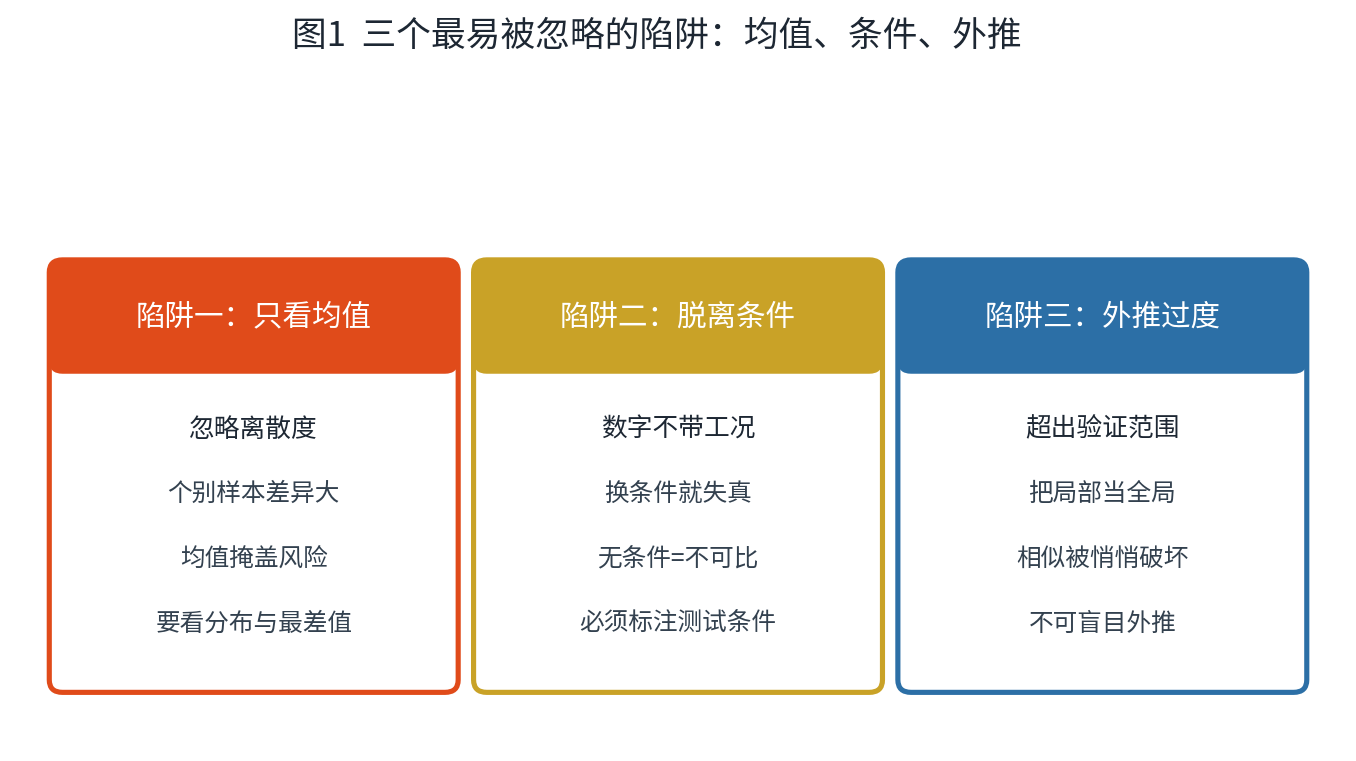
Figure 1: Three Most Overlooked Pitfalls — Mean, Condition, Extrapolation
Trap 1: Relying solely on the mean. This ignores variance; individual sample differences are masked by a deceptively clean average, hiding risks. The correct approach is to examine the distribution and focus on the worst-case samples. Trap 2: Ignoring conditions. Numbers without operating parameters become distorted under different conditions. Data without specified test conditions is virtually incomparable; always include the testing conditions alongside the data. Trap 3: Over-extrapolation. Applying conclusions validated only within a specific range to scenarios outside that range subtly breaks similarity without you realizing it.
3. Reality: A different reading leads to a different conclusion
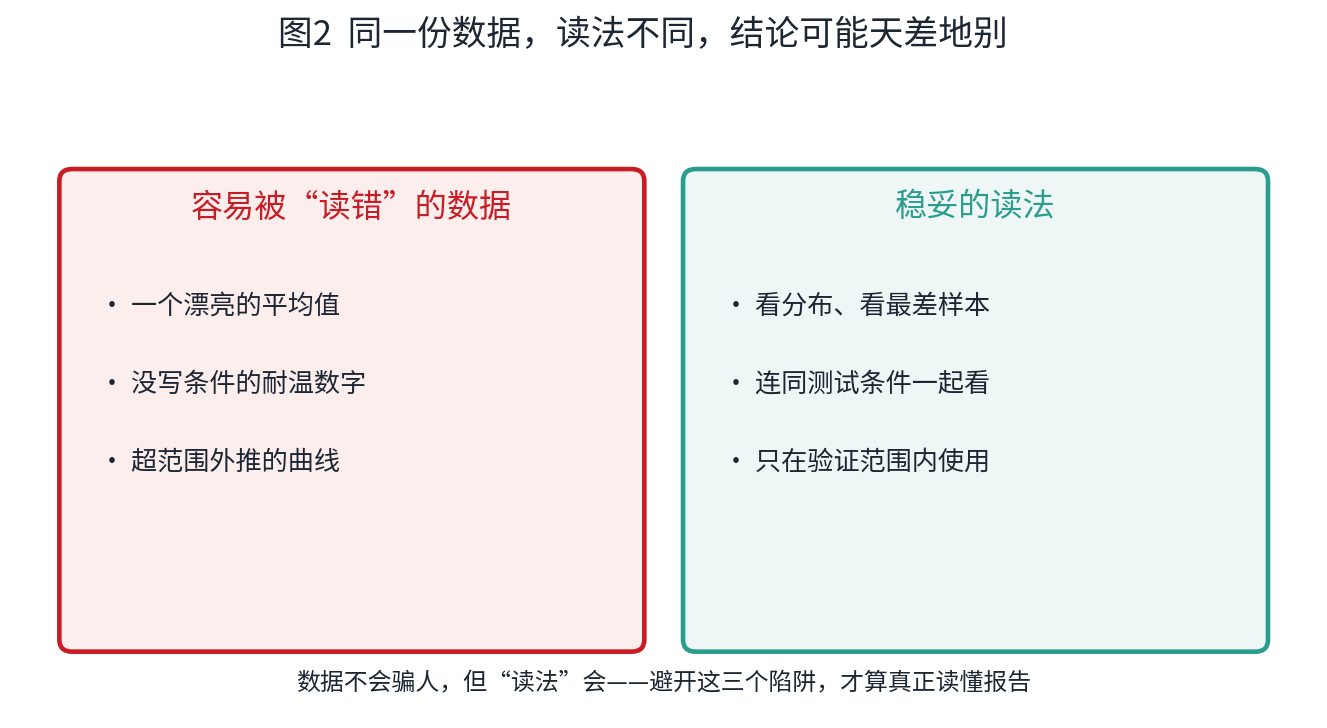
Figure 2: Different interpretations of the same data can lead to vastly different conclusions.
A pretty average, an unconditioned temperature number, and an extrapolated curve outside the range are all easy to misread. A reliable approach does the opposite: examine the distribution and worst-case samples alongside test conditions, and apply conclusions only within the validated range. Data doesn't lie—misinterpretation does. Avoid these three pitfalls to truly understand a report.
④ Challenge: Traps often hide where things seem fine.
These traps are dangerous because the data appears perfectly fine when you fall into them. Means meet targets, curves look smooth, and conclusions seem reasonable—making it easy to lower your guard. True expertise lies in questioning these "seemingly flawless" areas.
⑤ Tianyi Perspective: Deliver the "how to read" guide as well
At Tianyi Extreme Environment Laboratory, we believe delivering data also means delivering "how to interpret it": explaining variability and worst-case values, specifying complete test conditions, and defining the scope of conclusions. Our goal is for clients to receive not just a set of numbers, but a reliable basis for judgment that is easy to understand and hard to misuse.
⑥ Further Reading · Test Consultation
In-site Extensions:
How to Calibrate Heat Flux Density: The Root of All Controversies
Test articles are not full-scale parts: scale effects and similarity criteria
What Does CNAS Accreditation Mean: The Source of a Report's Credibility
Consultation Test
Want to ensure your test data is interpreted correctly and not misused? Contact Tianyi Extreme Environment Laboratory.