
Thermal Shock and Thermal Matching: Materials Fail by Fracture, Not Burning
A ceramic that withstands 1600°C can still crack instantly under rapid thermal shock. It's rarely the temperature itself that ruins materials—it's the change in temperature. This article explains how thermal shock and thermal matching determine service life.
What is thermal shock?
Thermal shock refers to the phenomenon where materials develop cracks or fracture due to internal thermal stress exceeding their strength when subjected to rapid temperature changes over a short period.
Physical mechanism of thermal shock
When a material's surface undergoes rapid heating or cooling, significant temperature gradients develop between the surface and the interior. Due to thermal expansion coefficients, uneven thermal expansion and contraction generate internal tensile or compressive stresses. If these stresses exceed the material's fracture toughness, cracks initiate and propagate.
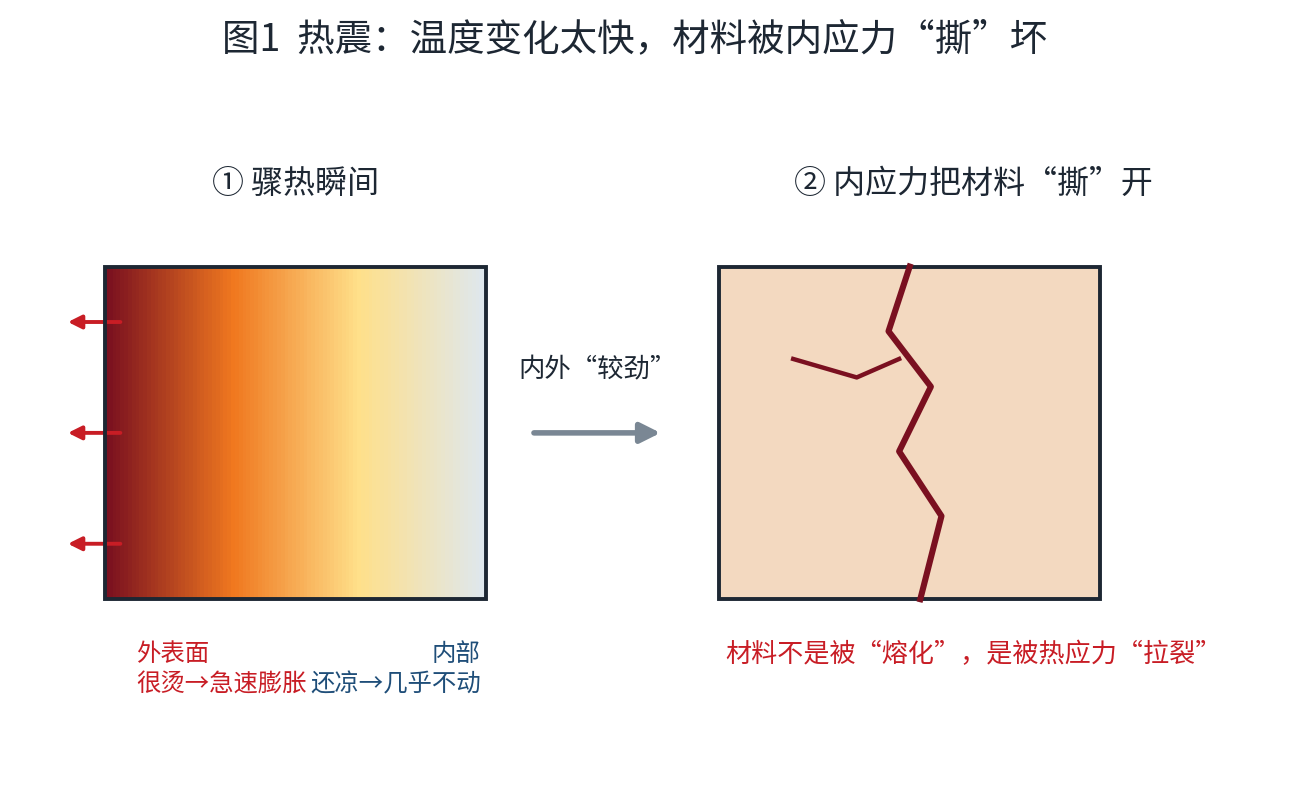
Figure 1 Thermal Shock: Rapid temperature changes cause the material to fracture due to internal stress.
Key parameters affecting thermal shock resistance
- Coefficient of Thermal Expansion: Lower is better to minimize strain caused by temperature differences
- Modulus of Elasticity: lower is better; it generates less stress under the same strain.
- Fracture toughness: The higher, the better. It offers stronger resistance to crack propagation.
- Thermal ConductivityThe higher, the better; it quickly balances the temperature difference between indoors and outdoors.
Hot Match: The Lifeline of Multi-Layer Structures
In multi-layer thermal protection systems, adjacent layers must have matched coefficients of thermal expansion. If the difference between the outer ceramic coating and the inner metallic substrate is too large, stress accumulates at the interface with each temperature cycle, eventually causing the coating to delaminate. This is why designing thermal protection for reusable spacecraft is more challenging than for disposable ones: it must withstand not only a single high-temperature exposure but also hundreds or thousands of thermal cycles.
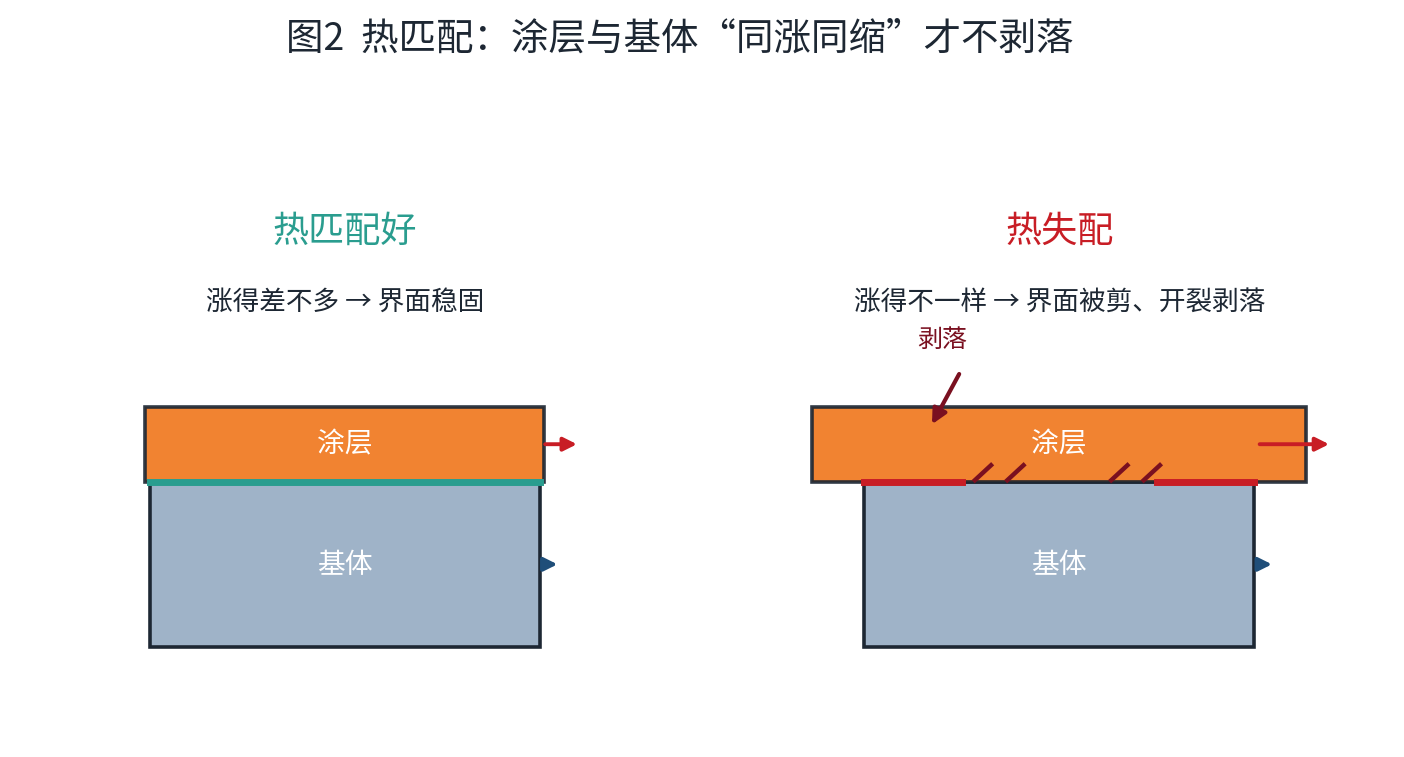
Figure 2 Thermal Match: Coating and substrate must expand/contract together to prevent delamination.