
Three Paths of Heat: Conduction, Convection, Radiation — Three Locks Against Heat

Heat reaches your body through only three pathways: conduction, convection, and radiation. To keep heat out, you must lock all three. This article explains how these three barriers work together.
Three Basic Modes of Heat Transfer
Whether the heat source is flame, an electric arc, or pneumatic friction, there are only three paths for heat transfer to the protected object: conduction, convection, and radiation. The essence of thermal protection design is to create barriers along each of these three paths.
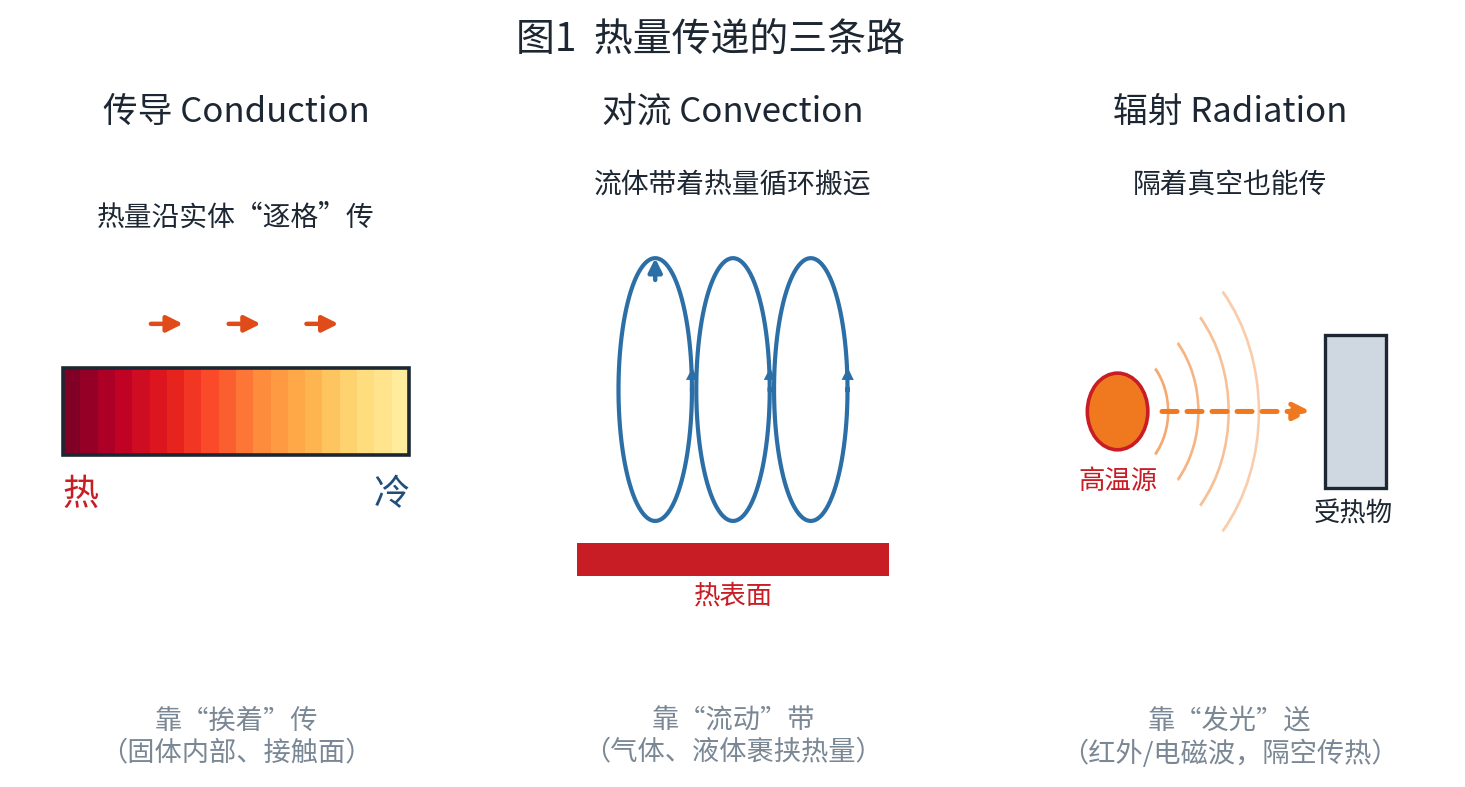
Figure 1: Three paths of heat transfer — conduction, convection, and radiation
First Lock: Blocks Heat Transfer
Conduction is the process of heat transfer through molecular vibrations and free electron movement within solid materials. The key to blocking conduction is usinglow thermal conductivityMaterials. Aerogels, porous ceramics, and hollow microsphere-filled composites are typical low-thermal-conductivity materials that interrupt solid-phase heat transfer paths through their extensive porosity.
Second Lock: Managing Thermal Convection
Convection is the process by which heat is carried by the movement of a fluid (gas or liquid). In the reentry environment, hot boundary layer gases transfer heat to the wall via convection. In thermal protection design, this can be achieved throughSweat Cooling(allow cold air to seep from the wall to form a protective barrier) orAblative gas generationInject gases generated from material decomposition into the boundary layer to reduce convective heat transfer.
Third lock: Controlling thermal radiation
Thermal radiation transfers energy in the form of electromagnetic waves and does not require a medium. In high-temperature environments (>800°C), radiative heat transfer increases sharply. Methods to control radiation include:High-emissivity coating(To enable efficient heat dissipation from the surface) andLow Absorption Design(Reduce absorption of incident radiation.)
All three locks must work together.
A single barrier is rarely enough. For instance, while aerogels have extremely low thermal conductivity, radiative heat transfer can penetrate them at high temperatures. High-emissivity coatings enable radiative cooling, but if the substrate has high thermal conductivity, heat will still rapidly conduct inward. An effective thermal protection system must be an optimized integration of all three mechanisms.
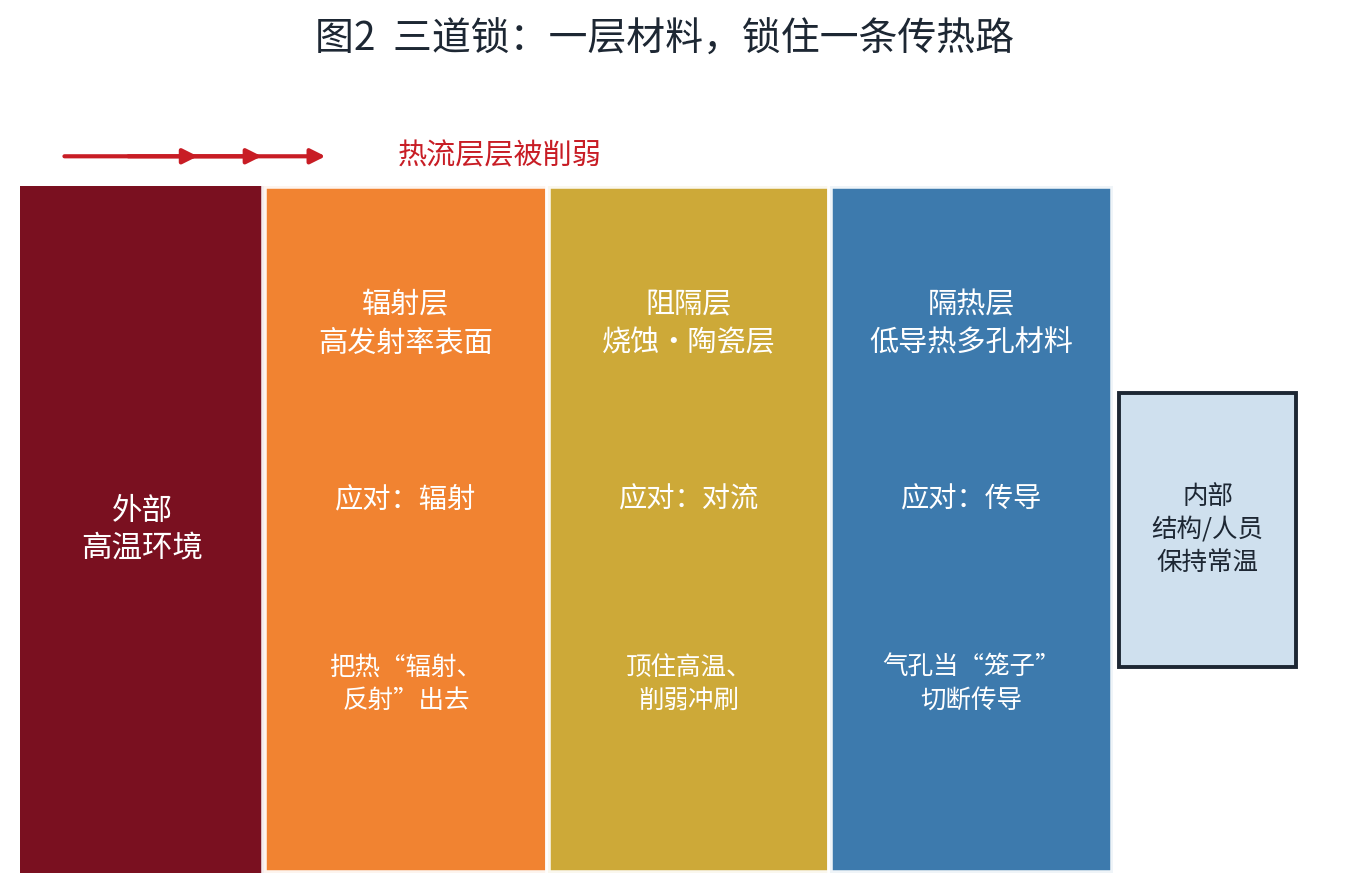
Figure 2: Triple-lock design—layered material that seals a single heat transfer path.